

As businesses continue to prioritize digital transformation in 2026, delivering personalized, secure, and scalable digital experiences has become more important than ever. Organizations using Sitecore, one of the world’s leading Digital Experience Platforms (DXPs), require a cloud infrastructure that can support high traffic, enterprise workloads, content management, marketing automation, and seamless scalability. Choosing the right cloud platform plays a significant role in ensuring website performance, security, operational efficiency, and long-term cost optimization.
Amazon Web Services (AWS) and Microsoft Azure are two of the most widely used cloud hosting solutions for Sitecore. Both offer strong security features, worldwide data centers, enterprise-grade infrastructure, and customizable pricing structures. They vary, tho, in terms of ecosystem support, performance, licensing, management tools, and integration capabilities.
Knowing the advantages and disadvantages of AWS and Azure will help you decide whether to migrate an existing system or plan a new Sitecore setup. The architecture, performance, security, cost, scalability, DevOps, and enterprise integration of Sitecore hosting on AWS and Azure are all compared in this tutorial.
What Is Sitecore?
Businesses can create, manage, customize, and improve digital experiences across websites, mobile applications, and customer engagement channels with Sitecore, a top Digital Experience Platform (DXP). Content management, digital marketing, analytics, customization, commerce, and customer data capabilities are all integrated into one platform.
Big businesses in a variety of sectors, including retail, healthcare, finance, manufacturing, education, and government, depend on Sitecore to provide clients all over the world with individualized digital experiences.
Organizations usually choose cloud platforms like Microsoft Azure or AWS to install Sitecore applications because they need dependable infrastructure to guaranty high availability, performance, and scalability.
Why Cloud Hosting Matters for Sitecore
The demands of contemporary digital experience platforms are frequently too much for traditional on-premises infrastructure to handle. Because cloud hosting enables resources to scale dynamically in response to changes in website traffic, it gives organizations more flexibility.
Hosting Sitecore on a cloud platform offers several advantages, including:
Improved website performance
Automatic scalability
Global content delivery
Enterprise-grade security
Disaster recovery capabilities
High availability
Simplified infrastructure management
Lower hardware maintenance costs
Choosing the right cloud provider directly impacts application reliability, user experience, and operational efficiency.
Sitecore on Microsoft Azure
One of the most popular cloud platforms for Sitecore deployments has always been Microsoft Azure. Azure has native compatibility with Windows Server, SQL Server, Active Directory, and other Microsoft technologies because Sitecore is based on Microsoft’s.NET ecosystem.
Azure App Service, Azure SQL Database, Azure Blob Storage, Azure Front Door, Azure Kubernetes Service (AKS), Azure Monitor, and Microsoft Defender for Cloud are just a few of the features offered by Azure that make Sitecore deployment easier.
Businesses that already use Azure Active Directory, Power Platform, Dynamics 365, or Microsoft 365 frequently gain from smooth integration throughout the Microsoft ecosystem.
Sitecore on AWS
Another popular cloud option for enterprise Sitecore hosting is Amazon Web Services (AWS). With services like Amazon EC2, Amazon RDS, Elastic Load Balancing, Amazon S3, Amazon CloudFront, Amazon ECS, and Amazon EKS, AWS offers extremely scalable infrastructure.
Businesses that already operate multi-cloud architectures or run workloads within the AWS ecosystem will find AWS very appealing. It is appropriate for demanding Sitecore scenarios due to its sophisticated cloud services and vast worldwide infrastructure.
Performance Comparison
When set correctly, both Azure and AWS offer outstanding performance for Sitecore applications.
Azure’s optimized interaction with Windows Server and SQL Server makes it incredibly effective for enterprises using Microsoft-based applications. Native services preserve great application performance while lowering configuration complexity.
With its vast infrastructure, adaptable compute options, and fast networking services, AWS provides exceptional performance. For businesses with intricate infrastructure needs, it provides a wide range of customization choices.
The cloud provider itself has less of an effect on performance in the majority of enterprise scenarios than application architecture and deployment design.
Scalability
Infrastructure that can adjust to shifting traffic patterns is necessary for modern digital experiences.
Using App Service, Virtual Machine Scale Sets, and Azure Kubernetes Service, Azure facilitates automatic scaling. Without interfering with users, businesses can adjust their computing capacity in response to demand.
Through Auto Scaling Groups, Elastic Load Balancers, ECS, and EKS, AWS provides comparable features that help businesses effectively manage spikes in traffic.
For enterprise Sitecore implementations, both systems offer outstanding scalability.
Security Comparison
Security remains one of the most important considerations for enterprise websites.
Azure Security
Azure offers comprehensive security services including:
Microsoft Defender for Cloud
Azure Active Directory
Azure Key Vault
Azure Firewall
DDoS Protection
Microsoft Sentinel
Azure Policy
Role-Based Access Control (RBAC)

Organizations using Microsoft’s security ecosystem often benefit from centralized identity management and integrated security monitoring.
AWS Security
AWS provides a robust security framework including:
AWS Identity and Access Management (IAM)
AWS Shield
AWS WAF
AWS KMS
AWS GuardDuty
AWS Security Hub
Amazon Inspector
AWS CloudTrail
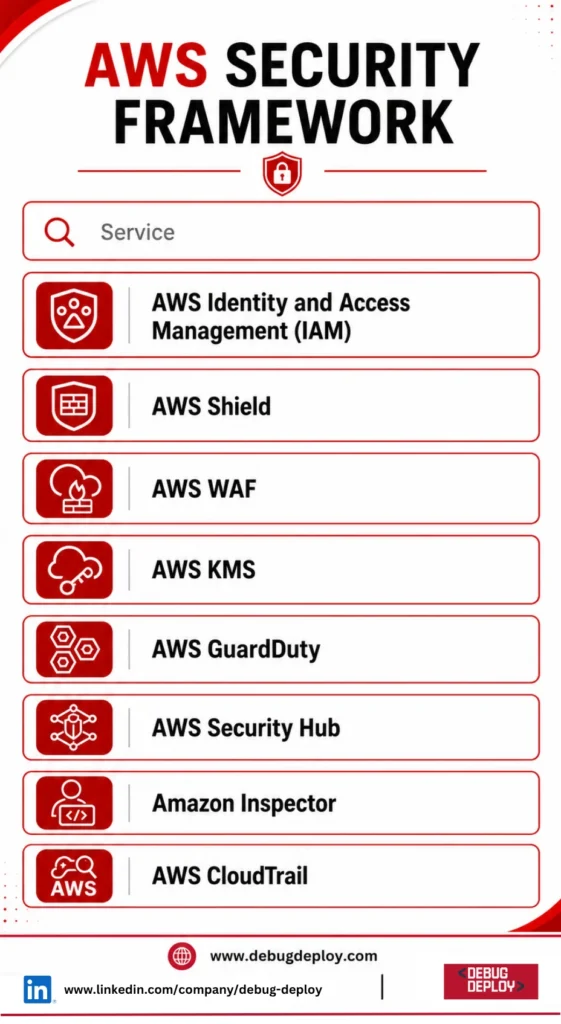
AWS security services provide extensive protection for enterprise workloads while supporting compliance across multiple industries.
Both cloud providers deliver enterprise-grade security, and the best choice often depends on an organization’s existing security infrastructure.
Integration with Microsoft Technologies
This is one area where Azure has a clear advantage.
Organizations using:
Microsoft 365
Windows Server
SQL Server
Active Directory
Power BI
Dynamics 365
Microsoft Entra ID
can integrate these services seamlessly with Azure-hosted Sitecore environments.
While AWS also supports Microsoft workloads, Azure generally provides a smoother experience for Microsoft-centric organizations.
DevOps and Automation
Modern Sitecore deployments rely heavily on DevOps practices and continuous delivery.
Azure integrates naturally with:
Azure DevOps
GitHub Actions
Azure Resource Manager (ARM)
Bicep
Azure Monitor
AWS supports automation using:
AWS CodePipeline
AWS CodeBuild
AWS CodeDeploy
CloudFormation
Terraform
Amazon CloudWatch
Both platforms offer mature DevOps capabilities, allowing organizations to automate deployments and infrastructure management.
Pricing Comparison
Pay-as-you-go pricing structures are used by both Azure and AWS, enabling companies to only pay for the resources they utilize.
For businesses who now use Microsoft licensing schemes like Windows Server licenses or Azure Hybrid Benefit, Azure may be more affordable.
Businesses looking for long-term infrastructure savings find AWS appealing because of its extremely flexible pricing options, which include On-Demand Instances, Reserved Instances, and Savings Plans.
The scale of the workload, storage needs, computing power, networking consumption, and licensing issues all affect actual costs.
Disaster Recovery and High Availability
Business continuity is essential for enterprise websites.
Azure supports disaster recovery through:
Azure Site Recovery
Azure Backup
Availability Zones
Geo-redundant Storage
Azure Front Door
AWS provides similar capabilities using:
AWS Backup
Multi-AZ deployments
Amazon Route 53
Cross-region replication
Elastic Disaster Recovery
Both cloud platforms offer reliable disaster recovery solutions that minimize downtime and data loss.
Which Platform Is Easier to Manage?
Because administrators are already familiar with Windows systems, Active Directory, SQL Server, and Azure management tools, Azure is typically simpler for companies with prior Microsoft experience.
Although AWS offers great flexibility, it could need more configuration and cloud knowledge, particularly for companies who are primarily familiar with Microsoft technology.
The IT team’s expertise and the current technology stack ultimately determine how simple management is.
When Should You Choose Azure?
Microsoft Azure is often the better choice if your organization:
Uses Microsoft 365 extensively.
Relies on Windows Server and SQL Server.
Uses Microsoft Entra ID (Azure AD).
Plans to integrate with Power Platform or Dynamics 365.
Prefers native Microsoft ecosystem integration.
Wants simplified management for .NET applications like Sitecore.
When Should You Choose AWS?
AWS may be the better option if your organization:
Already hosts workloads on AWS.
Operates a multi-cloud environment.
Requires highly customized infrastructure.
Uses AWS-native DevOps services.
Has experienced AWS cloud engineers.
Needs broad infrastructure flexibility.
Best Practices for Sitecore Cloud Hosting
Regardless of the cloud provider, organizations should:
Use auto-scaling to handle traffic spikes.
Implement a content delivery network (CDN).
Monitor infrastructure continuously.
Enable automated backups.
Apply least-privilege security policies.
Automate deployments using DevOps pipelines.
Optimize databases regularly.
Monitor costs and resource usage.
Following these practices improves performance, reliability, and operational efficiency.
Future of Sitecore Hosting
Cloud hosting will increasingly concentrate on AI-powered personalization, containerized deployments, Kubernetes orchestration, serverless services, more robust security automation, and intelligent performance optimization as digital experience platforms continue to develop. In order to enable Sitecore clients to create scalable and future-ready digital experiences, both Microsoft Azure and AWS are making significant investments in these technologies.
Conclusion
In 2026, Sitecore can be hosted on both Amazon Web Services (AWS) and Microsoft Azure. They offer global infrastructure, enterprise-grade scalability, security, and dependability that can handle demanding workloads related to digital experiences. With its smooth interaction with Windows Server, SQL Server, Microsoft 365, and Azure-native services, Azure is typically the go-to option for businesses that have made significant investments in Microsoft’s ecosystem. Conversely, AWS offers a wide selection of cloud services, exceptional flexibility, and robust support for businesses that are already part of the AWS ecosystem. Your current technology stack, business goals, technical know-how, licensing approach, and long-term cloud roadmap all influence which platform is best. By carefully evaluating these factors, organizations can choose the cloud platform that delivers the best performance, operational efficiency, and return on investment for their Sitecore environment.
Want to Choose the Right Cloud Platform for Sitecore Hosting?
Explore the differences between AWS and Microsoft Azure for Sitecore hosting and learn how cloud architecture, performance, scalability, security, and cost can impact your Sitecore environment.
Recommended Microsoft Azure Certification Programs:
AZ-900: Microsoft Azure Fundamentals
AZ-104: Microsoft Azure Administrator
AZ-305: Designing Microsoft Azure Infrastructure Solutions
AZ-204: Developing Solutions for Microsoft Azure
✅ Live Instructor-Led Training
✅ Azure Cloud Architecture & Infrastructure Skills
✅ Sitecore Cloud Hosting & Migration Concepts
✅ Azure Security, Scalability & Performance Best Practices
✅ Cloud Cost Optimization & Resource Management
✅ Certification Exam Preparation & Guidance
📧 Email: trainings@debugdeploy.com
📱 WhatsApp: Contact us for quick assistance
Build the Azure cloud skills needed to design scalable, secure, and high-performing environments for Sitecore and modern digital experiences.